The Reading Crisis Is Real, but So Is Our Ability to Reverse It
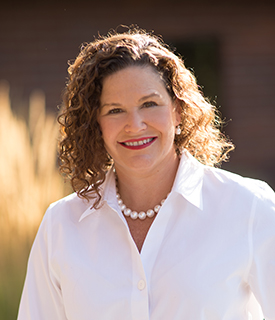
by Kristin Norell, CEO of The Children’s Reading Foundation
The Gift of Reading
As families gather this season and look toward a new year, one simple, yet transformational gift deserves renewed attention: the gift of reading. In a time when digital noise grows louder and attention spans grow shorter, reading with a child has never mattered more.
As The Children’s Reading Foundation prepares to celebrate its 30th anniversary in 2026, our mission remains as urgent as the day we were founded: to ensure every child learns to read early and well.
Reading is more than an academic skill. It is a lifelong foundation for curiosity, confidence, emotional resilience and opportunity. When an adult reads with a child, even for just 20 minutes a day, they are doing far more than turning pages; they are wiring their brain for language, focus, empathy and problem-solving. They are nurturing a bond that strengthens mental health. They are opening doors that will remain open throughout that child’s lifetime.
The research is indisputable; the first five years of life represent the most rapid period of brain development. Children who are read to daily build thousands more words in their vocabulary, enter kindergarten better prepared and are far more likely to read proficiently by third grade — a milestone strongly linked to later academic success and graduation rates.
The Power of Reading
Early reading is one of the most powerful, equitable interventions we have, yet it costs little more than time and intention.
Yet, as highlighted in recent discussions about America’s “reading recession,” fewer children and adults are reading for pleasure. A 2023 National Endowment for the Arts survey found that only 43% of U.S. adults read a book for pleasure in the past year, down from 53% a decade ago.
Among teens, the drop is steeper: a 2024 American Library Association report noted they spend just six minutes daily reading for pleasure, compared to over 3 hours on social media. This imbalance is not simply a shift in habits; it is a shift in how their minds develop. In a world of rapid-fire content engineered to capture attention, reading offers children something profoundly different: presence.
Reading slows the mind, invites reflection and creates calm. Studies consistently show that even a few minutes of reading can reduce stress and improve emotional well-being. For children, shared reading becomes a grounding ritual — a moment of connection and comfort in an overstimulated world. Books offer a refuge that no app or game can replicate.
Reading also fuels imagination. When a child listens to a story, they aren’t just absorbing words, they are building worlds. They imagine, question, infer and empathize. These processes activate brain regions that screens often bypass. A book turns a child into a thinker and creator, not a passive consumer.
Families who read together build generational habits of learning. Schools that emphasize early literacy see stronger long-term outcomes. When children own books, hear books, talk about books and see adults reading, they become lifelong readers.
Reading Renaissance
So how do we spark a reading renaissance? We start at home, with small, daily actions that build lasting change.
Read with a child every day. It’s the single most important thing you can do.
Give books as gifts. A child who owns or has access to books reads more.
Model reading. Children imitate what they see.
Support literacy programs. National initiatives — READY! for Kindergarten, Read Up!, Reach Out and Read, Team Read and others — give families tools to succeed.
Celebrate reading together. Communities thrive when reading is a shared priority.
The reading crisis is real, but so is our ability to reverse it. As we look toward our organization’s 30th year, we renew our commitment to ensuring every child has the chance to become a confident reader. When we give the gift of reading, we are giving far more than a book — we are giving a lifetime of possibility.
Originally published as an opinion piece in the Tri-Cities Herald (December 19, 2025).
https://www.tri-cityherald.com/opinion/opn-columns-blogs/article313803884.html